Brucella canis: Client Information & Safety Guide
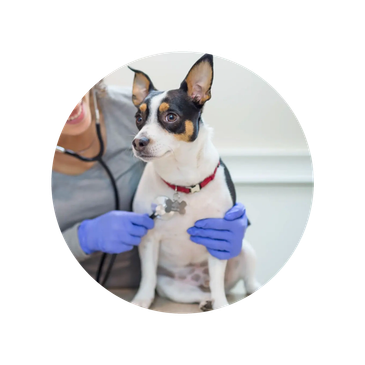
Welcome to Our Veterina. We are committed to delivering safe, high-quality, and compassionate veterinary care to all patients. This information page explains what Brucella canis (B. canis) is, how we manage potential health risks, and why safety measures are in place to protect your pet, your household, and our clinical team.
1. What is
Welcome to Our Veterina. We are committed to delivering safe, high-quality, and compassionate veterinary care to all patients. This information page explains what Brucella canis (B. canis) is, how we manage potential health risks, and why safety measures are in place to protect your pet, your household, and our clinical team.
1. What is Brucella canis?
Brucella canis (B. canis) is a bacterial infection that primarily affects dogs. While historically rare in the UK, case numbers have risen in recent years. This rise is predominantly associated with dogs imported from abroad, dogs with a history of international travel, or dogs bred with imported animals.
B. canis is a zoonotic disease, meaning it can potentially pass from dogs to humans. For the general public and most pet owners living with household pets, the overall risk of catching the infection is low.
2. Signs of Infection in Dogs
Many dogs infected with B. canis show no obvious clinical signs of illness and appear completely healthy and active. Because asymptomatic dogs can still carry and shed the bacteria, diagnostic testing is the only definitive way to confirm an infection.
When clinical symptoms do occur, they can vary and may include:
- Unexplained back or joint pain and lameness (discospondylitis or polyarthritis).
- Severe eye inflammation (uveitis).
- Reproductive abnormalities, such as testicular swelling (orchitis or epididymitis), abnormal discharge, miscarriages, or infertility.
- General signs of illness, including persistent fever, lethargy, or swollen lymph nodes.
3. Human Health & Household Safety
Transmission of B. canis to humans is uncommon and typically requires direct contact with infected bodily fluids. These fluids particularly include reproductive secretions, birthing materials, blood, or urine.
However, certain individuals face a higher risk of health complications if exposed:
- Pregnant individuals (due to potential risks to pregnancy and fetal health).
- Immunocompromised individuals (such as people undergoing chemotherapy or living with underlying immune conditions).
- Young children.
Clinical Team Protection at OUR VETERINA: To ensure a safe workplace, practice protocols require that staff members who are pregnant, planning a pregnancy, or immunocompromised do not handle confirmed positive dogs or participate in high-risk procedures.
4. Identifying At-Risk Patients
To assess risk proportionately and keep everyone safe, we evaluate whether a dog meets any of the following screening criteria:
- Geographic Origin & Travel: Born outside the UK or travelled through endemic regions.
- Breeding & Exposure History: Used for breeding, mated or cohabited with an imported dog, or had
4. Identifying At-Risk Patients
To assess risk proportionately and keep everyone safe, we evaluate whether a dog meets any of the following screening criteria:
- Geographic Origin & Travel: Born outside the UK or travelled through endemic regions.
- Breeding & Exposure History: Used for breeding, mated or cohabited with an imported dog, or had direct contact with a known or suspected positive case or high-risk bodily fluids.
- Clinical Signs: Displaying unexplained spinal lameness, severe eye inflammation, or reproductive abnormalities.
5. Testing Requirements & Pre-Surgical Safety
- Routine Screening: Screening (via APHA-approved blood tests) is strongly recommended for imported dogs upon arrival in the UK, even if they show no symptoms.
- Pre-Surgical Requirement: A confirmed negative APHA blood test is required prior to any elective surgeries, and aerosol-generating procedures (such as dental work or orthopaedics), or non-urgent hospital admissions for high-risk dogs. This test must be taken at least 3 months after arrival in the UK.
- Laboratory Protocol: External diagnostic samples are clearly labeled as "Suspect Brucella canis" to protect external laboratory diagnostic staff.
6. How Safety Policy Shapes Clinical Care
We Do Not Refuse CarePatient welfare remains our top priority. We do not turn away positive or high-risk untested pets in need of medical attention. Essential medical treatment and emergency care will always be provided using appropriate biosecurity measures to protect our team, which will incur an additional fee. Biosecurity & Personal Protective Equipment (PPE)To prevent cross-contamination and keep our hospital environment safe for all patients and visitors, our clinical team utilizes tiered Personal Protective Equipment (PPE):
- Low-Risk Visits (Standard Consultations & Vaccinations): Standard clinical hygiene and routine protective measures.
- Medium-Risk Procedures (Blood sampling, urine collection, minor wounds): Basic protective wear, including clinical gloves, aprons, and surgical masks.
- High-Risk Procedures (Surgeries, dental work, intubation, hospital admissions): Enhanced protective wear, including respiratory masks (FFP3), eye protection, water-resistant gowns, and double gloves.
Full details on treatment estimates, diagnostic testing costs, or enhanced infection control fees for high-risk procedures are available upon request.
7. Diagnosis, Treatment, and Referrals
- Reportable Status: B. canis is a reportable disease under the UK Zoonoses Order. Positive results must be reported immediately to the Animal and Plant Health Agency (APHA) by the diagnosing veterinary surgeon.
- Treatment Limitations: There is currently no guaranteed cure or vaccine for B. canis in dogs
7. Diagnosis, Treatment, and Referrals
- Reportable Status: B. canis is a reportable disease under the UK Zoonoses Order. Positive results must be reported immediately to the Animal and Plant Health Agency (APHA) by the diagnosing veterinary surgeon.
- Treatment Limitations: There is currently no guaranteed cure or vaccine for B. canis in dogs. Antibiotic therapies do not reliably eliminate the bacteria, meaning infected dogs typically remain lifelong carriers.
- Elective Care: Elective, non-urgent procedures are deferred indefinitely for confirmed positive dogs to minimize environmental exposure.
- Secondary Specialist Referrals and Out of Hours Providers: The vast majority of UK veterinary referral centres and university hospitals strictly mandate a valid negative APHA test certificate prior to admitting any imported patient. Except in immediate life-threatening emergencies, external referrals cannot be facilitated without a valid negative lab report. Please check with each Practice directly.
- Support & Choices: Discussions surrounding long-term management or euthanasia are always handled with maximum empathy and sensitivity. While euthanasia is a clinical option to protect human health and prevent environmental spread, it is a decision framework discussed between you and your vet, not a government mandate. However, please be aware that if you refuse Brucella testing when it has been recommended, or you are unable to provide us with a negative result, our ability to provide all treatment options will be affected.
Questions or Concerns?
If you have any questions about your pet's travel history, testing recommendations, or upcoming procedures, please speak to our clinical team here at OUR VETERINA. We are here to keep your pets and our community safe.